





A vehicle can look relatively normal after a collision and still have damage that deserves professional attention. A bumper may have only a small crack, a door may show a shallow dent, or a section of paint may appear slightly scratched. From the outside, these problems might seem straightforward. However, an impact can sometimes affect components and connections that are not immediately visible.
This is why accident repair should begin with a proper assessment rather than an assumption about what needs fixing. Identifying the full extent of the damage helps determine whether a panel can be repaired, whether a component needs replacing and which procedures are suitable for the vehicle.
For motorists in Wuppertal, Linge Lackierzentrum provides vehicle bodywork and painting services, including repairs following accidents. Understanding the assessment process can help vehicle owners make better decisions when their car has been involved in a collision.
Why the Visible Damage May Not Tell the Whole Story
When two vehicles collide, the impact is transferred through the affected areas. The visible result depends on several factors, including the speed, direction and location of the collision, as well as the construction of the vehicles involved.
A low-speed parking incident might leave a scratch or dent on a bumper. However, the impact could also affect the bumper’s mounting points or nearby components. Similarly, a collision involving a front wing may create deformation around the adjoining body panels.
This does not mean every minor accident causes hidden damage. It simply means that the external appearance alone cannot always establish the full condition of a vehicle.
A professional inspection helps distinguish between cosmetic defects and problems that may require additional repair work.
Five Areas That Deserve Attention After an Accident
A thorough assessment should consider more than the most obvious damaged panel. Depending on the collision, several areas may need examination.
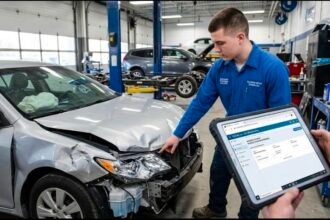


1. Bumper Mounting and Surrounding Components
Bumpers are among the vehicle parts most frequently exposed to parking impacts. Their outer surfaces may develop scratches, cracks or dents.
However, the bumper cover is only one part of the assembly. Depending on the vehicle, additional components behind it may also need inspection.
If a bumper appears loose, sits unevenly or has changed position after an impact, the mounting areas should be checked. A repair specialist can determine whether the existing component can be restored or whether replacement is more appropriate.
2. Door Alignment and Closing Behaviour
A side impact can affect a door, its surrounding frame or nearby body panels. Sometimes the damage is immediately visible as a dent. In other cases, the door may not sit quite as it did before.
Unusual gaps, difficulty closing the door or visible changes in alignment deserve attention. These symptoms should not be ignored simply because the paintwork appears mostly intact.
The repair method will depend on the location and extent of the deformation. A specialist may be able to restore the original panel, while more serious damage may require additional work or component replacement.
3. Panel Gaps and Body Alignment
Modern vehicles are manufactured with carefully designed gaps between body panels. These spaces allow doors, bonnets, boot lids and other components to operate correctly.
After a collision, an uneven gap may indicate that a panel has moved or become deformed. This is particularly relevant when the impact affects more than one section of the bodywork.
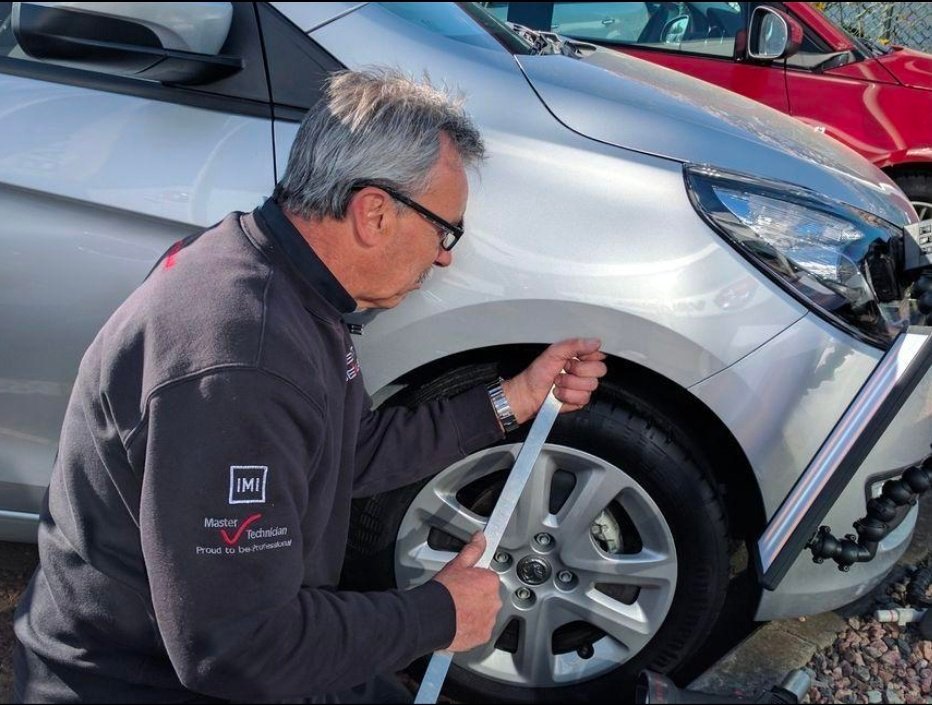
Comparing the affected area with the opposite side of the vehicle can sometimes reveal visible differences. However, a proper technical assessment is needed to establish what has happened and whether corrective work is required.
4. Paint Damage and Exposed Surfaces
A scratch may appear to be a minor cosmetic issue, but its depth matters. Some marks affect only the clear coat, while others pass through the paint layers and expose the underlying material.
When paint protection is damaged, the affected surface may become more vulnerable to environmental exposure. The appropriate treatment depends on the type of material, the depth of the damage and the surrounding paint condition.
A repair specialist can identify whether polishing, localised refinishing or more extensive painting is suitable.
5. Wheels and Nearby Bodywork
A collision involving a wheel or the lower side of the vehicle should be assessed carefully. Visible marks on an alloy wheel may be accompanied by damage elsewhere, depending on the nature of the impact.
If the vehicle pulls to one side, produces unusual noises or behaves differently after a collision, it should not be treated as a simple cosmetic problem. A qualified professional should inspect it before further driving.
What Happens During a Professional Accident Assessment?
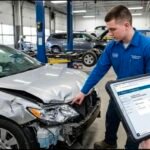
A professional assessment is designed to establish what has been damaged and how the vehicle should be repaired. The exact procedure varies with the severity and location of the impact, but it commonly involves several steps.
Initial examination: The repair specialist looks at the visible damage and identifies the affected panels and components.
Damage documentation: Photographs and written observations can help record the condition of the vehicle before work begins.
Additional inspection: Where necessary, the affected area is examined more closely to identify damage that cannot be confirmed from the outside.
Repair planning: Suitable methods are selected according to the vehicle’s construction, the extent of the damage and relevant manufacturer requirements.
Cost estimation: The proposed work is assessed so the vehicle owner can understand the expected repair expenses.
This process helps prevent decisions based solely on the appearance of a dent or scratch.
Repairing or Replacing a Damaged Panel?
One of the main questions following an accident is whether the original body panel can be repaired or needs to be replaced.
There is no single answer because different materials and damage patterns require different approaches.
A shallow dent on an accessible metal panel may be suitable for a repair technique that restores the original shape. More extensive deformation, sharp creases or damage close to important structural areas may require a different method.
In some cases, replacement is the more appropriate solution. This may apply when the component is badly damaged or when the manufacturer’s repair instructions do not permit a particular type of restoration.
A repair specialist should explain the reasoning behind the recommendation. Vehicle owners should understand whether the proposed work involves straightening, panel replacement, welding, bonding or other procedures.
The aim is to select a technically suitable repair rather than automatically choosing the cheapest or most extensive option.
Why Modern Vehicles Require Careful Repair Methods
Vehicle construction has changed significantly over the years. Modern cars may combine different types of steel, aluminium and other materials within a single body structure.
These materials do not necessarily respond to the same repair techniques. Some high-strength components have specific repair limitations, while aluminium bodywork may require different tools and working procedures from conventional steel panels.
Joining methods also vary. Depending on the vehicle and component, manufacturers may specify welding, riveting, bonding or a combination of techniques.
This makes technical knowledge particularly important after a collision. A repair method that seems convenient may not be appropriate for a particular material or location.
Following manufacturer repair specifications helps ensure that the work is planned with the vehicle’s design in mind.
Restoring the Paintwork Is More Than Matching a Colour
After the bodywork has been restored, the damaged surface may need refinishing. A professional paint repair involves several stages, and colour matching is only one part of the process.
First, the surface must be prepared. This may include sanding, filling, smoothing and cleaning, depending on the damage.
The paint colour is then identified using the vehicle’s colour information and, where appropriate, measurement technology. This is important because the appearance of the original finish can change over time through sunlight exposure, weather and normal use.
Once the colour has been selected, the affected area is painted using a suitable process. Some repairs require blending into surrounding sections to achieve a consistent appearance.
Finally, the finished surface is checked for visible imperfections, colour differences and overall quality.
A carefully completed paint repair helps the restored section integrate with the rest of the vehicle.
How Professional Accident Repair Combines Different Skills
A collision repair project may involve several areas of expertise. Bodywork, material handling, surface preparation and painting all contribute to the final result.
For example, a damaged rear quarter panel may need to be reshaped before the paintwork can begin. If the surface is not restored correctly, applying new paint will not solve the underlying problem.
Likewise, excellent bodywork can still produce a disappointing result if the repaired area is not prepared and refinished properly.
This is why the repair process should be considered as a complete sequence rather than a collection of unrelated tasks.
For drivers seeking Fachgerechte Reparatur von Unfallschäden, Linge Lackierzentrum in Wuppertal describes a service that includes accident-related bodywork, straightening techniques and professional painting. Its approach covers both smaller parking-related damage and more extensive collision repairs.
The workshop also highlights modern equipment, colour measurement technology and repair methods selected according to the vehicle and damage involved.
What Information Should You Provide When Requesting an Estimate?
Giving a repair specialist useful information at the beginning can make the initial assessment more efficient.
If the vehicle is safe to photograph, take clear pictures of the damaged area from different angles. Include one wider image showing the location of the damage and several closer images showing the details.
You should also provide:
- The vehicle’s make, model and approximate year.
- A brief description of how the accident occurred.
- The location of the visible damage.
- Any unusual behaviour noticed after the collision.
- Relevant insurance or incident information, where applicable.
Photographs can help with an initial discussion, but they do not replace a physical inspection. Some damage can only be evaluated properly once the affected area has been examined.
Before authorising repairs, request an estimate that explains the proposed work. If an insurer is involved, confirm the approval process and required documentation before the repair begins.
Warning Signs That Should Not Be Ignored
Following a collision, certain changes may indicate that the vehicle needs further examination.
Pay attention to:
- Doors or the boot lid that no longer close normally.
- Bumpers or panels that appear loose.
- Unusual gaps between body panels.
- Warning lights that were not present before the accident.
- New noises, vibrations or changes in handling.
- Visible fluid leaks.
- Damaged lights or broken exterior components.
These symptoms do not all indicate the same problem, and some may involve safety-critical systems. If the vehicle’s roadworthiness is uncertain, do not continue driving it. Arrange a professional inspection or appropriate recovery assistance.
Choosing a Repair Workshop with Confidence
The choice of repair provider can influence the quality and organisation of the entire process.
Before proceeding, ask whether the workshop has experience with the type of damage involved. Find out how the vehicle will be assessed, which repair methods are being considered and whether manufacturer specifications will be followed.
It is also useful to understand how bodywork and painting are coordinated. A workshop that can explain the complete repair process makes it easier for the owner to understand what is being done and why.
For motorists in Wuppertal, Linge Lackierzentrum offers accident repair and vehicle painting services for different types of collision damage. Drivers can review the workshop’s service information and contact it to discuss the condition of their vehicle.
Conclusion: Look Beyond the First Visible Mark
After an accident, a vehicle’s appearance provides only part of the information needed to plan a repair. A small dent may be straightforward, while a seemingly minor impact can sometimes affect surrounding components that deserve closer attention.
A professional assessment helps identify the damage, select suitable repair methods and determine whether panels can be restored or need replacing. Careful bodywork, appropriate technical procedures and accurate paint restoration all contribute to a complete repair.
Rather than making assumptions based on a quick visual check, vehicle owners should arrange an assessment when the damage is uncertain. With a clear repair plan and an experienced specialist, it becomes easier to understand the work required and make informed decisions about returning the vehicle to the road.