








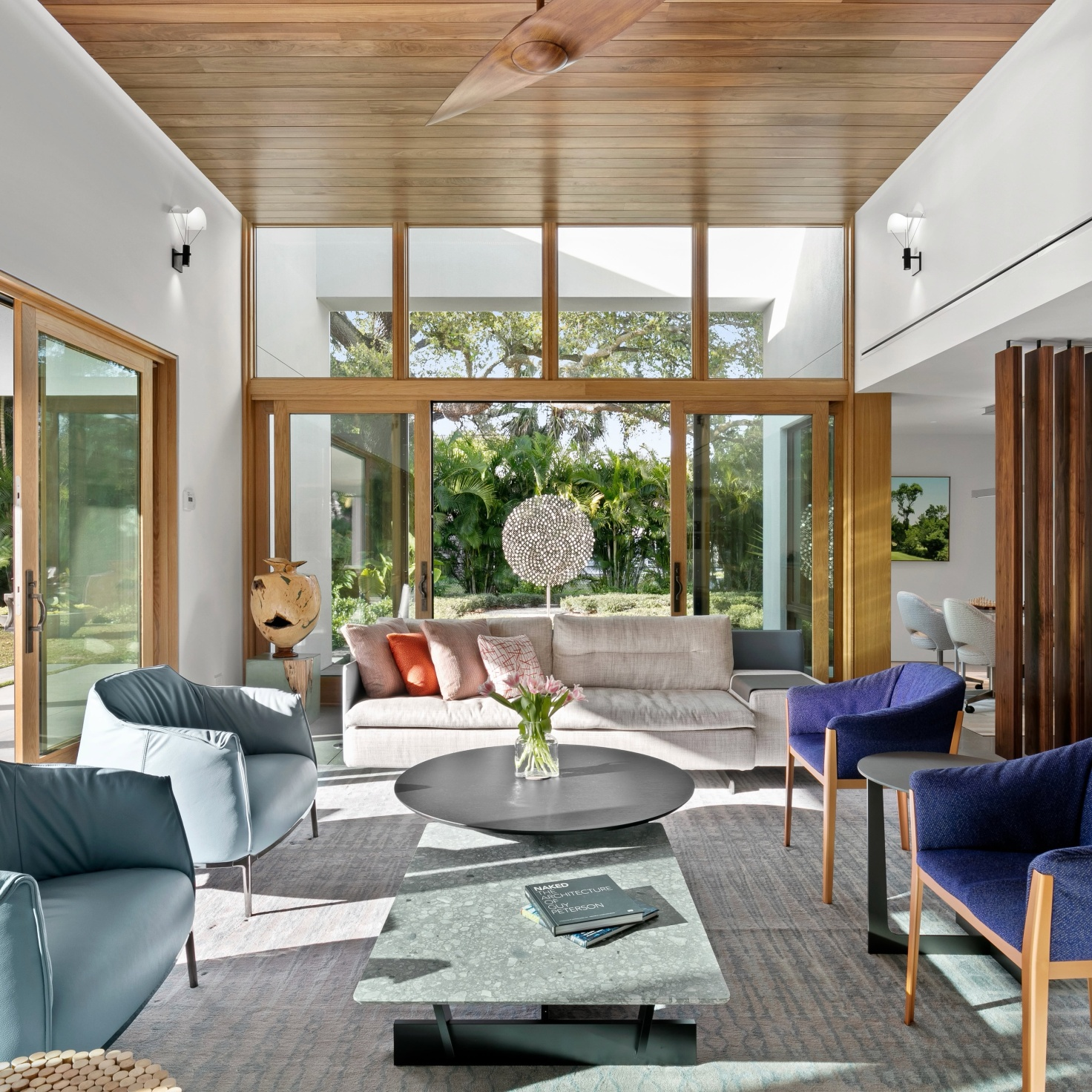
There are hundreds of decisions to make when building a home, ranging from how the home will be laid out to the structure, materials, finishes, approvals, construction, and more. Being a homeowner, it can overwhelm you to deal with all these aspects.
An architect is able to help weave these various components into one. Depending on the extent of services that have been agreed upon for the project, their role may start before the construction begins and may continue to the duration of the construction process. A residential architect can assist you to develop a sensible design and also line up essential technical and building needs.
Understanding Your Needs and Ideas
Typically, the process begins with a discussion with the client about their preferences for the new home. Your lifestyle, household needs, the design you enjoy, the budget, and your expectations of the project are things an architect will need to know.
You might have some ideas about the number of bedrooms, the kitchen layout, outdoor space, or the overall look. An architect in Florida can consider these ideas and the ways in which they might be able to function side by side on the site and with the budget.
This is an early phase in which a focus direction is established prior to detailed design.
Assessing the Building Site
The house design is greatly influenced by the site. An architect can consider the size of the site, orientation, access, views, neighboring properties, available natural light, slope, and existing features.



Other regulations around planning and local requirements may be at play in determining what can be built.
Having a good understanding of these things early means that the design will take advantage of the site, not just a standard floor plan.
Developing the Home Design
After the architect has been familiarized with the initial requirements and site information, the architect can start working on the design.
This may include designing layouts, dreaming about furniture placements, and how people flow through the house, and how the interior and exterior spaces relate to one another.
The architect can also consider natural lighting, ventilation, privacy, storage, proportions, and the relationship between the various living spaces. There are a number of design options that can be considered prior to the development of a preferred design direction.
Preparing Detailed Drawings
More detailed architectural drawings are made as the design develops. These drawings convey the information about how the home should be built and are also helpful to the other professions working on the project.
Drawings can include floor plans, elevations, sections, materials, fixtures and finishes, and construction details, depending on the project.
Documentation can be used to minimize misunderstandings, as builders and contractors have a clear design to follow.
Helping with Planning and Approvals
Prior to construction, a new home may require planning approval, building approval, or other permissions depending on the location and project requirements.
Your architect will be able to assist with preparing the necessary documentation for relevant applications and ensure that the design takes into account relevant requirements.
Specific duties are determined by project, location and services covered by the architect’s contract, so the homeowner should ask what is included before any work is done.
Coordinating with Other Professionals
In most cases, it is not just an architect who is associated with home building. Various members of the engineering, building, surveying, consulting, and specialist contractor may be involved in the project.
An architect can provide the coordination of information between these professionals to ensure that various aspects of the design come together.
For instance, the structural requirements must be taken into account while designing the layout of the architecture, and the electrical, plumbing, heating, cooling, and other services must be integrated into the design.
Supporting the Construction Process
An architect’s involvement does not necessarily end when construction starts.
The architect may inspect the site, follow progress, consult on design issues, and exchange information with the builder with respect to the drawings or specifications, if construction administration or construction services are part of the agreement.
They might also be able to determine if the work is looking as though it is being carried out according to the designed work.
The extent of involvement will vary from contract to contract. Some house owners hire an architect to document and design their home; others hire a more in-depth service during construction.
Helping Manage Design Changes
Changes can take place on almost any construction project. They can run out of stock, need to be adjusted, or a homeowner may opt for a design change.
An architect may be able to evaluate the impact that an intended change will have on the whole design, design function, visual impact, or other aspects of the project.
It is easier to think about changes if someone is familiar with the original concept and doesn’t forget the grand plan of the home.
Keeping the Bigger Picture in Focus
One of the most valuable aspects of working with an architect is having someone consider the home as a complete project.
These choices could all influence each other, like windows and flooring, walls and lighting, furnishings and design, and exterior materials. The architect will help ensure that these decisions are not made in isolation but in harmony.
Final thoughts
An architect may have to be engaged at numerous stages of constructing a house, from the initial idea to the evaluation of the site, through the creation of plans and design documentation, coordinating various professionals, and even during construction. A residential architect in Florida can link the creative and technical aspects of a project and provide a way for homeowners to move from the concept to the finished home. Before hiring one, discuss the services included in their agreement so you understand exactly how they will support your project.