








You switched to cushioned sneakers and cut your evening walks in half, yet the ache in your heel or arch still returns while taking your first steps each morning. Waiting it out rarely works when the source stays unknown. Lasting relief from foot pain in Houston tends to begin once someone identifies what is causing it.
The same ache can come from very different problems inside the foot. A strained ligament and a hairline crack in a bone can feel almost identical early on. Treating foot pain in Houston with a clear diagnosis first gives you a plan built around the real problem and shortens the trial-and-error phase.
When Rest and New Shoes Stop Helping
Relief That Hides the Source: Changing shoes or cutting back on physical activity can calm symptoms for a while, yet it seldom resolves foot pain that comes from a structural or nerve problem. Softer shoes reduce impact without correcting a collapsing arch or a pinched nerve. Rest lowers the load, so the pain fades and then returns once normal routines resume.
Delay That Narrows Your Options: Putting off care for persistent foot pain gives the underlying condition time to progress, and treatment choices tend to shrink as it does. In everyday podiatric practice, foot specialists regularly see patients who spent a good amount of time on drugstore insoles before learning a small fracture was healing poorly. A bunion once managed with wider shoes may later need surgery.
Treating the Cause Instead of the Symptom
One Symptom, Many Possible Sources: Heel pain can come from plantar fasciitis, a stress fracture, Achilles tendon irritation, or a trapped nerve, and each calls for a different approach. Podiatrists sort through these possibilities with a differential diagnosis, ruling conditions in or out based on your history and exam findings. The right label matters because it decides what happens next.
Care Matched to the Injury: Treatment works best when it targets the tissue that is actually injured, since a remedy for inflamed fascia does little for an irritated nerve. Stretching helps many cases of plantar fasciitis, yet the same routine can aggravate a healing fracture. Anti-inflammatory pills dull the pain without changing the foot mechanics behind it.
What a Foot Exam Reveals
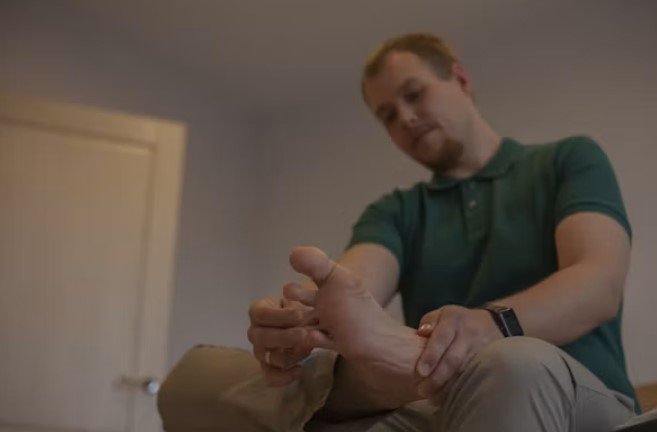
Hands-On Assessment and Walking Patterns: Podiatrists diagnose foot pain by pressing on specific structures and watching how your foot moves as you stand and walk. Tenderness at one exact spot on the heel points toward a different problem than pain spread across the ball of the foot. Wearing patterns on your shoes add clues, showing where pressure lands with every step.
Imaging That Confirms the Exam: Imaging confirms what a hands-on foot exam suggests, and X-rays remain the standard first look at bone alignment and fractures. A musculoskeletal ultrasound shows soft tissue in real time, revealing a thickened plantar fascia or a small tendon tear. An MRI may follow when a deeper injury is suspected and earlier tests leave questions open.



Self-Care Compared with a Podiatric Evaluation
Where Home Care Still Helps: Rest and supportive footwear can settle a mild strain or a brief bout of overuse soreness within a week or two. Home care costs little and avoids extra appointments. The trade-off is that it cannot confirm what is wrong, so it suits minor problems with an obvious trigger, like a long hike in new boots.
When an Exam Makes More Sense: Foot pain that lasts beyond a few weeks despite rest deserves a professional evaluation, especially with swelling or numbness. A podiatric exam for foot pain in Houston replaces guesswork with a confirmed cause and a plan that fits it. The trade-off is an office visit, which can cost less than months of products that never worked.
Individualized Treatment That Protects Your Mobility
Plans Shaped by Diagnosis and Routine: An individualized treatment plan matches therapy to both the diagnosis and the way you use your feet daily. A nurse on long shifts and a weekend runner with the same heel condition may need very different plans. Custom orthotics and guided physical therapy handle many cases, while minimally invasive surgery is reserved for advanced bunions or hammertoes.
Protection That Lasts for Years: Correcting the true cause of foot pain helps protect your knees and lower back from the strain of compensating. A limp you barely notice shifts load up the leg, and that stress builds over months. An accurate early diagnosis usually costs less over time and returns you sooner to the work and exercise your week depends on.
Warning Signs Worth a Closer Look
Symptoms That Deserve Prompt Attention: Some foot symptoms signal a problem that rest and new shoes are unlikely to fix on their own. Spotting them early makes treatment for foot pain in Houston simpler and keeps more conservative options open. These signs are worth raising with a podiatrist fairly soon, even when the pain comes and goes.
- Heel pain with the first morning steps often points to irritated plantar fascia.
- Swelling or warmth lasting more than a few days can signal a fracture.
- Numbness or burning between the toes may mean a nerve is compressed.
- A slow-healing foot sore in someone with diabetes needs prompt medical care.
Moving Forward with a Confirmed Diagnosis
A clear diagnosis for foot pain in Houston leads to a treatment plan shaped around your foot and the way you live. Every month of waiting gives a fixable problem more time to progress, and the simpler early treatments may stop being enough. Book a foot and ankle evaluation and find out exactly what is causing your pain.